Storm Damage Cleanup
Clear Fallen Trees & Debris Fast
“After the storm passes, you're left with a mess that's too big for a chainsaw and too tangled to ignore.”
Land recovery and property protection · Northeast Ohio
We give you your land back, and we make it safe to use.
The brush, thorn and poison ivy that grew up under your good trees comes out, and what you get back is ground you can walk without watching your step.
From $295 for an afternoon's work to full estate restoration.
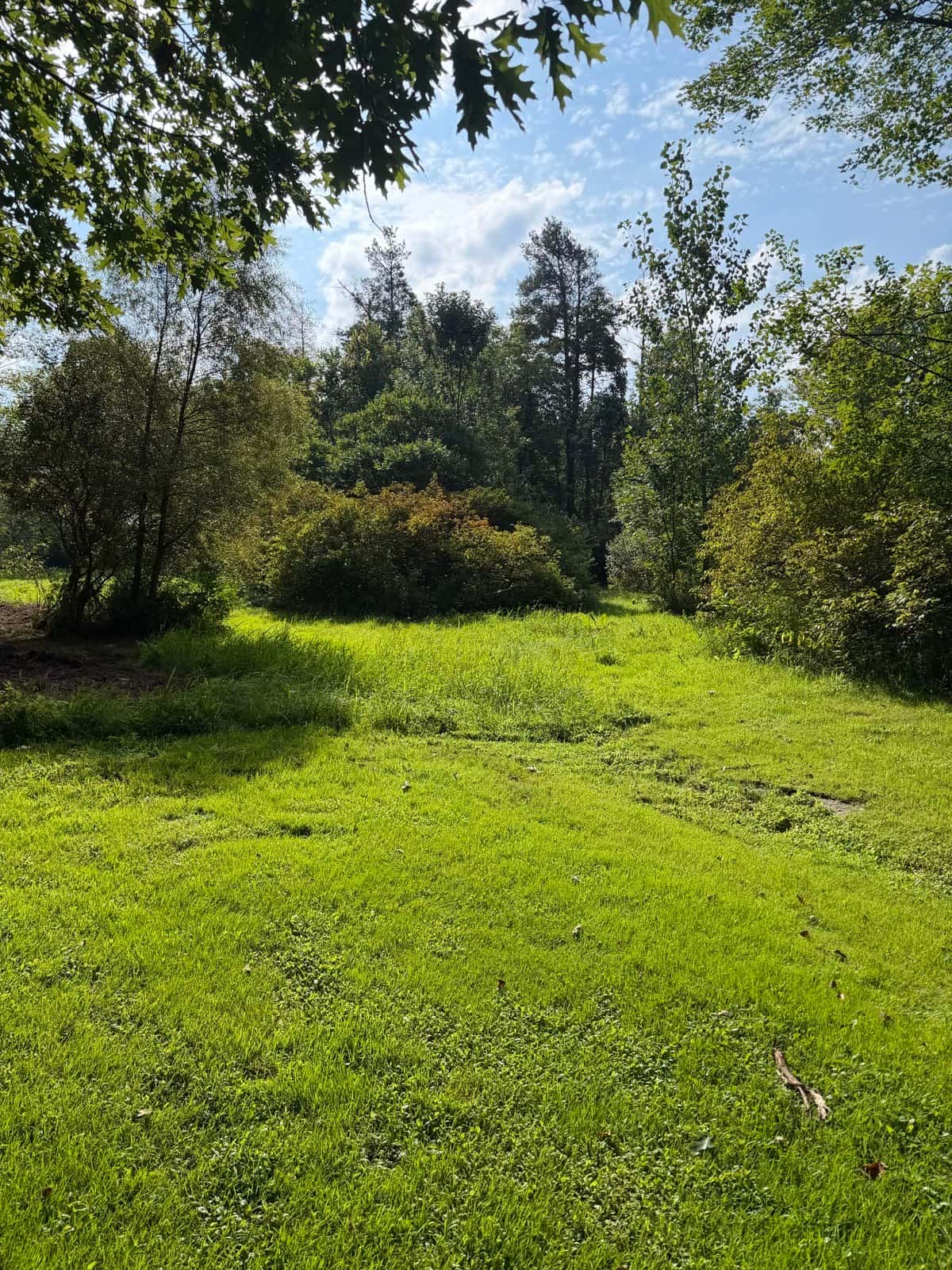 Actual BrushBoss footage · September 2026
Northeast Ohio · Woodland recovery
Real work. Real footage.
See past the tangle.
Brush and vines fill the space beneath your good trees. Start with the ground you want to use again.
Follow the transformation
What Does Storm Damage Look Like?
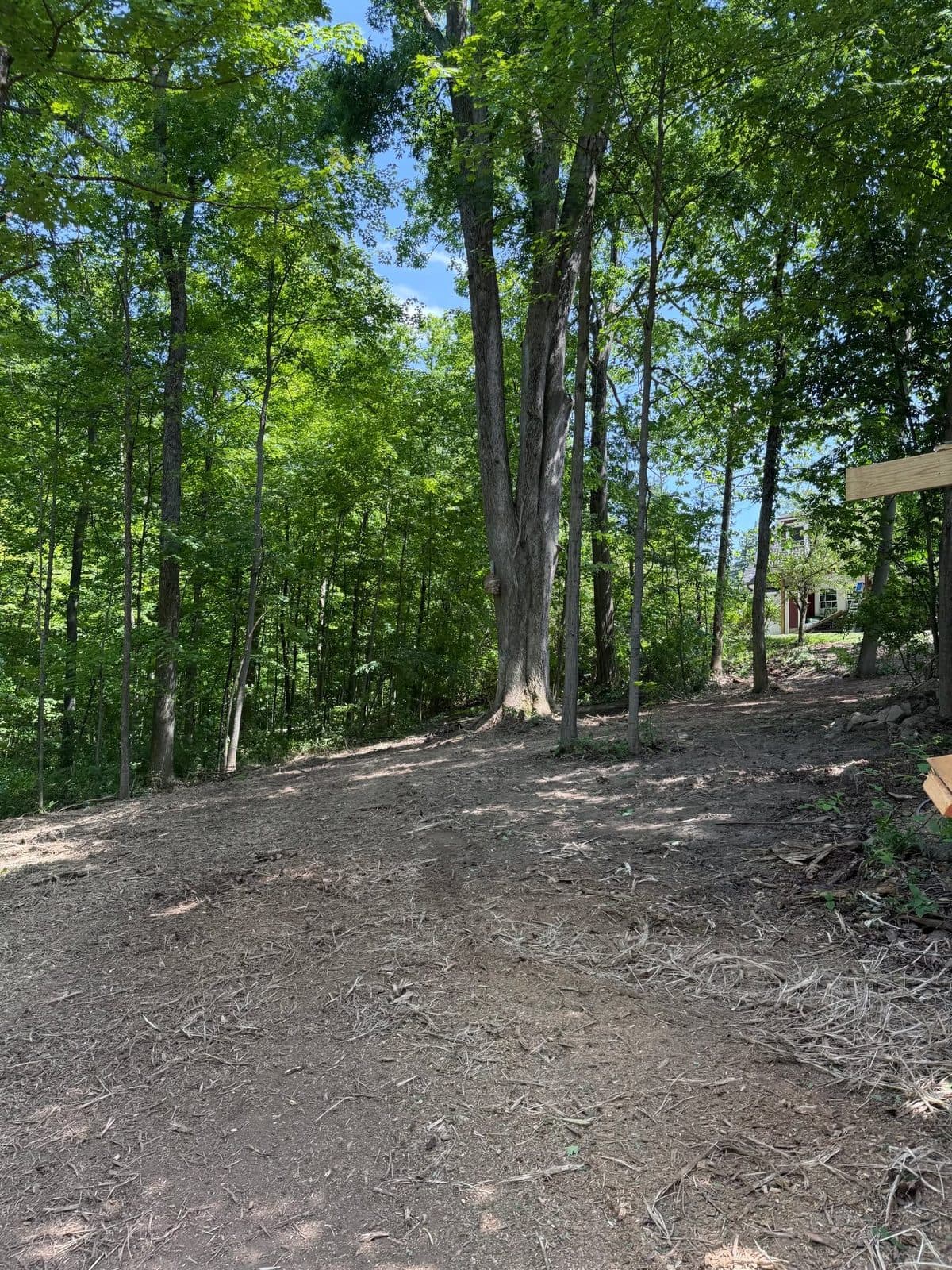
Fallen trees blocking your driveway or access road. Broken limbs hanging high in the canopy — called widow-makers for a reason — waiting for the next gust to bring them down. Tangled masses of branches, vines, and debris piled where the wind left them, too large to move by hand and too intertwined to disassemble easily.
On wooded lots, storm damage often creates a cascading mess. One large tree falls and takes down two smaller ones with it. The root ball pulls up soil and disrupts drainage. Debris lands on fences, blocks trails, and covers areas you need to access. A single bad storm can deposit a year's worth of cleanup work across a 5-acre property in under an hour.
What Causes Storm Damage to Be So Severe?
Storm damage is worse when weak trees, dead limbs, dense vines, and unmanaged undergrowth are already loading the property before the weather hits. High wind, ice, or saturated soil then turns those hidden problems into blocked drives, unsafe hangers, and tangled cleanup work.
- 1High winds snap weakened or dead trees. Straight-line winds from Ohio thunderstorms regularly exceed 60 mph. Healthy trees flex and survive. Trees weakened by decay, root damage, or prolonged drought snap at the trunk or uproot entirely. A dead ash tree from emerald ash borer becomes a falling hazard in any storm over 40 mph.
- 2Ice storms bring down limbs. Ice accumulation as little as a quarter inch can snap healthy limbs. A half inch brings down whole tree tops. Ice damage is particularly destructive because it affects every tree on the property simultaneously — not just the weak ones. The debris field from a serious ice storm covers the entire canopy footprint.
- 3Overgrown properties have more vulnerable trees. Dense undergrowth and competing brush stress trees by competing for water and nutrients. Trees in overgrown lots tend to be spindlier, with smaller root systems relative to their height, making them more susceptible to wind damage. Clearing the understory actually makes surviving trees more wind-resistant.
Can You Clean Up Storm Damage Yourself?
Small limbs and branches on the ground are safe to clear by hand — drag them to a pile, cut them with a chainsaw, and stack for firewood or burn when conditions allow. This handles maybe 30% of typical storm damage: the stuff that fell cleanly and is lying on the ground in manageable pieces.
The dangerous 70% is everything else. Trees under tension (where one part is pinned and the trunk is bowed) can spring violently when cut — never cut a tree under tension without professional training. Widow-makers hanging in the canopy can fall without warning. Large root balls are unstable and can shift. This is genuinely hazardous work, and every year homeowners are seriously injured attempting storm cleanup that exceeds their equipment and experience.
How Does BrushBoss Clean Up Storm Damage?
BrushBoss storm cleanup is ground clearing: the fallen trees, broken limbs and tangled brush already lying on the property. We reopen drives, trails and fence lines, process the smaller material on site, and leave salvageable wood and cleared travel paths in a cleaner final layout.
This eliminates hauling costs for most storm debris. Broken limbs, brush and smaller stems get mulched where they lie — no loading into trucks, no dump fees, no driving material off-site. The mulch becomes ground cover that protects exposed soil where root balls were pulled up. Larger trunks can be stacked for firewood or removed depending on the owner's preference.
We do not take down hanging limbs, widow-makers, or leaning and hung-up trees, and we do not cut trees under tension. That is tree-service work: call an ISA Certified Arborist first, and once nothing is left hanging or leaning, we clear what is on the ground. If you call us about a standing hazard, we will tell you it is arborist work. The land clearing company vs tree service guide explains where that line falls.
Storm Left a Mess
Too Big to Handle?
Get an instant estimate for storm cleanup by sharing where access is blocked, how much debris is down, and what is blocking access. If anything is still hanging overhead or leaning, have an arborist deal with it first; we clear the ground after.
You own the land. You just cannot use it.
That is one layer of brush, and it comes off in a morning.
We'll tell you what it costs. From $295, no project minimum.
Ground you can walk without watching your step — because we take the cover out.
Without losing a tree worth keeping.