Do You Need a Permit for Land Clearing in Ohio?
Most residential land clearing in Ohio does not require a permit. But there are important exceptions involving wetlands, streams, municipal tree ordinances, and large-scale soil disturbance. Here is what you need to know.
Land recovery and property protection · Northeast Ohio
We give you your land back, and we make it safe to use.
The brush, thorn and poison ivy that grew up under your good trees comes out, and what you get back is ground you can walk without watching your step.
From $295 for an afternoon's work to full estate restoration.
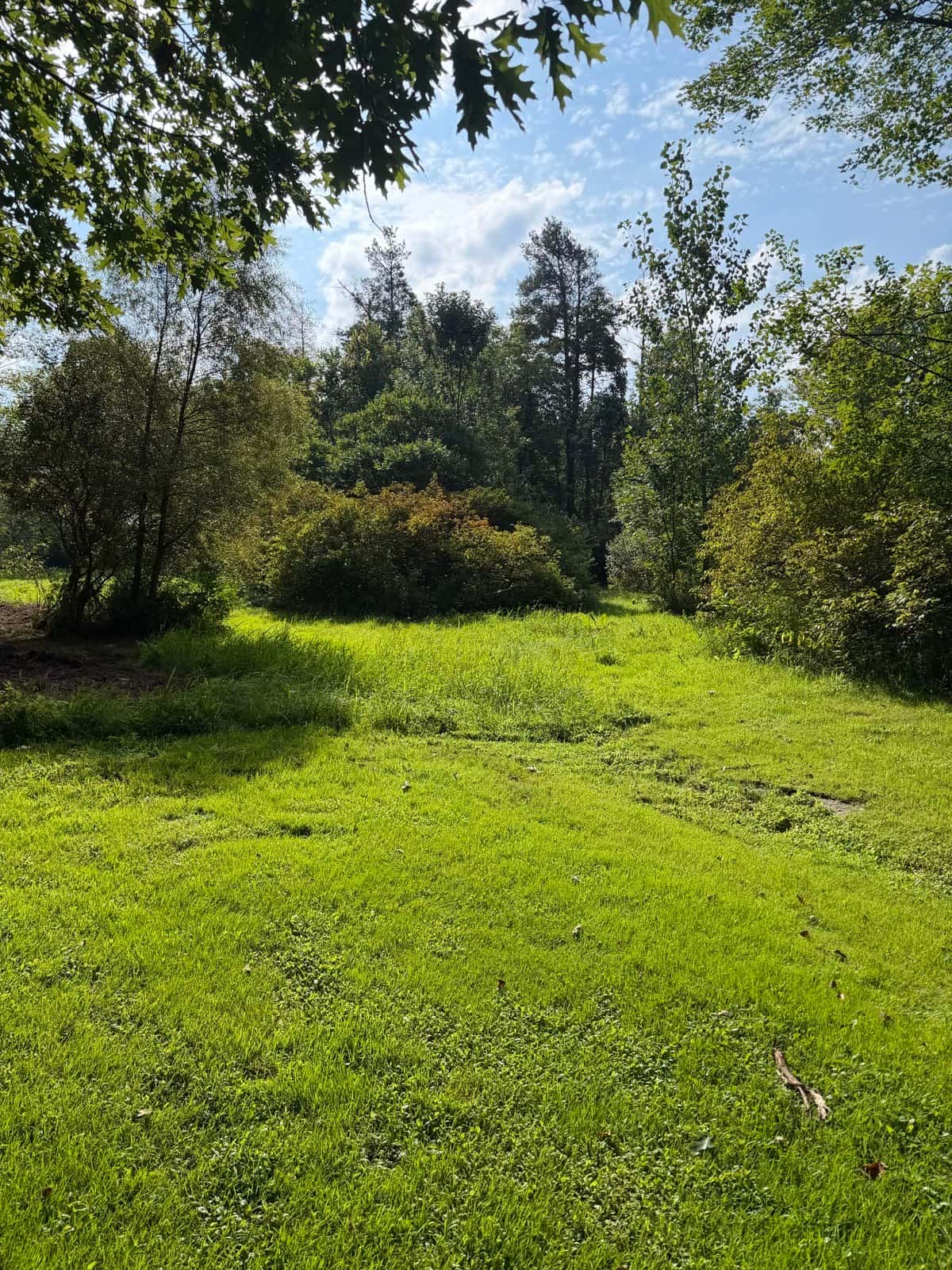 Actual BrushBoss footage · September 2026
Northeast Ohio · Woodland recovery
Real work. Real footage.
See past the tangle.
Brush and vines fill the space beneath your good trees. Start with the ground you want to use again.
Follow the transformation
When You Do NOT Need a Permit
When You DO Need a Permit
Ohio-Specific Rules
Always Call 811 Before Clearing
BrushBoss verifies that 811 has been called and utility markings are visible before starting any clearing project. If markings are not present, we will reschedule rather than risk hitting an unmarked line.
How BrushBoss Handles Permits
Permit research is part of every BrushBoss satellite assessment. When we review your property, we check for nearby wetlands and streams using Ohio EPA and USGS mapping data. We identify whether your property falls within a municipality that has tree protection ordinances. We flag any potential floodplain or erosion control requirements.
If your project does require a permit, we will tell you exactly which one, who to contact, and what the typical timeline and cost look like. We do not file permits on your behalf, but we give you everything you need to do it quickly.
Forestry mulching has a significant advantage over bulldozer clearing when it comes to permits. Because forestry mulching leaves the soil intact under a protective mulch layer, it typically avoids the erosion and sediment control requirements that apply to conventional clearing. This can save weeks of permit processing time and hundreds of dollars in filing fees.
Permit FAQ
Do I need a permit to clear brush on my own property in Ohio?
In most cases, no. Residential property owners in Ohio can clear brush, saplings, and small trees on their own land without a permit as long as the work does not impact wetlands, streams, or protected areas. If your property is in a municipality with a tree preservation ordinance, check with your local zoning office before removing trees above the regulated diameter.
What triggers Ohio EPA involvement in land clearing?
The Ohio EPA gets involved when land clearing disturbs more than one acre of soil, potentially impacting waterways. This triggers the need for a National Pollutant Discharge Elimination System (NPDES) permit for stormwater runoff during construction. Forestry mulching minimizes this risk because it leaves the soil surface intact under a mulch layer rather than exposing bare dirt.
Does forestry mulching require the same permits as bulldozer clearing?
Generally no. Forestry mulching leaves the root structure and soil undisturbed, which means it typically does not trigger erosion and sediment control requirements the way bulldozer clearing does. Bulldozer clearing exposes bare soil across the entire area, which on sites over one acre requires an erosion and sediment control plan and potentially an NPDES permit. Forestry mulching leaves a protective mulch layer that prevents erosion.
How far from a stream or wetland can I clear?
Ohio generally recommends maintaining a buffer zone of 50 to 100 feet from streams and wetlands. Some counties and municipalities have stricter setback requirements. Clearing within these buffer zones may require review from the Ohio EPA or US Army Corps of Engineers under Section 404 of the Clean Water Act. We identify all waterways and wetlands during our satellite assessment and recommend appropriate setbacks.
Not Sure About Permits? We Will Check for You.
Every BrushBoss estimate includes a permit assessment for your specific property. Get a satellite-based quote in about 15 minutes.
You own the land. You just cannot use it.
That is one layer of brush, and it comes off in a morning.
We'll tell you what it costs. From $295, no project minimum.
Ground you can walk without watching your step — because we take the cover out.
Without losing a tree worth keeping.