Pasture Reclamation
Restore Your Fields to Working Land
Overgrown pastures don't recover on their own. When honeysuckle, multiflora rose, and saplings take over, mowing stops working. We grind it all back to soil level — and your fields become productive agricultural land again.
Get a Free Property Assessment ↗When Mowing Stops Working
It happens faster than most landowners expect. You skip mowing a hay field for one season — maybe two. The first year, goldenrod and thistle fill in. The second year, honeysuckle seedlings and multiflora rose appear. By year three, you have waist-high brush with woody stems that your bush hog can't handle. By year five, the field is chest-high saplings and impenetrable thorn walls.
This progression is accelerated in Geauga County by the Lake Erie snowbelt climate. Heavy snow loads compact brush into dense mats that sprout aggressively in spring. Over 100 freeze-thaw cycles per year crack and disturb soil, creating ideal germination conditions for invasive seeds. And the dominant invasive — Amur honeysuckle — leafs out weeks before native species, stealing early-season sunlight and establishing canopy dominance before anything else can compete.
Traditional recovery approaches don't work at this stage. Bush hogs can't handle woody stems over 2 inches. Brush cutters and chainsaws are too slow for multi-acre fields. Herbicide programs require multiple seasons and repeated applications. And excavation destroys the topsoil that makes the field productive in the first place.
How Forestry Mulching Reclaims Pastures
The CAT 275XE with HM418 mulching head processes everything from ground-level weeds to 8-inch diameter saplings in a single pass. For pasture reclamation, this means every invasive shrub, thorny hedge, and woody sapling is ground below the root crown and converted into a 2–4 inch layer of organic mulch that stays on your field.
This mulch layer is critical for successful pasture recovery. It suppresses regrowth by blocking light to dormant root systems. It prevents soil erosion during the transition period before new grass establishes. It retains moisture during dry summer months. And as it decomposes over 1–3 years, it adds organic matter back into the soil profile — essentially composting in place.
The key difference between forestry mulching and other clearing methods for pasture reclamation is what stays behind. Excavation removes topsoil. Burning destroys organic matter. Mulching preserves the soil structure and adds to it. A field cleared by mulching is ready for overseeding within weeks, and the mulch layer actually improves seed-to-soil contact for better germination rates.
Pasture Recovery After Clearing
Once we clear your field, the recovery timeline depends on your intended use. For hay production, we recommend waiting until the mulch settles (2–4 weeks), then overseeding with a Northeast Ohio-appropriate pasture mix — typically a blend of orchard grass, timothy, and clover suited to our USDA Zone 5b/6a climate. Most fields produce a viable first cutting within one growing season.
For horse and livestock pastures, the timeline is similar but the seeding approach differs. High-traffic grazing areas benefit from a more durable grass mix (tall fescue-based) and may need a rotational grazing plan during the first year to allow root establishment. We can recommend local agricultural extension resources for pasture management planning.
Some clients choose to clear first and plan later — and that's perfectly fine. The mulch layer protects the soil and suppresses invasive regrowth for 1–2 seasons, giving you time to decide how to use the reclaimed acreage. Whether it becomes hay ground, horse pasture, a food plot, or simply open green space, the important step is clearing the invasives before they spread further.
Why Geauga County Pastures Need Reclamation Now
The agricultural landscape of Geauga County has changed dramatically over the past 30 years. As dairy operations consolidated and small farms transitioned out of active production, thousands of acres of formerly productive pasture and hay ground were abandoned to natural succession. The Geauga Soil & Water Conservation District estimates that over 4,000 acres of former agricultural land in the county are now classified as "brushland" — fields too overgrown for mowing but not yet mature forest.
These transitional fields represent both a problem and an opportunity. The problem: they're prime habitat for invasive species colonization. Honeysuckle, autumn olive, and multiflora rose establish quickly on abandoned agricultural land because the open conditions and disturbed soils favor their aggressive germination strategy. Within 5–10 years, a former hay field becomes an impenetrable invasive thicket that spreads seeds to adjacent managed properties.
The opportunity: reclaimed pasture in Geauga County has real economic value. With growing demand for local hay production, horse boarding facilities, and small-scale livestock operations, productive agricultural acreage commands $150–$300 per acre annually in lease value. A $2,500/acre reclamation investment can pay for itself in hay production within 2–3 seasons — and the land value increase from "brushland" to "productive agricultural" classification can be substantial at resale.
For landowners enrolled in Ohio's Current Agricultural Use Value (CAUV) tax program, reclaiming abandoned fields and returning them to agricultural production helps maintain the reduced tax assessment. Fields that revert to brush may lose CAUV qualification at the next reappraisal, resulting in significantly higher property tax bills. Pasture reclamation protects both productive land use and favorable tax treatment.
Pasture Reclamation — Before & After
Real results from Northeast Ohio properties. One machine. One pass. Total transformation.
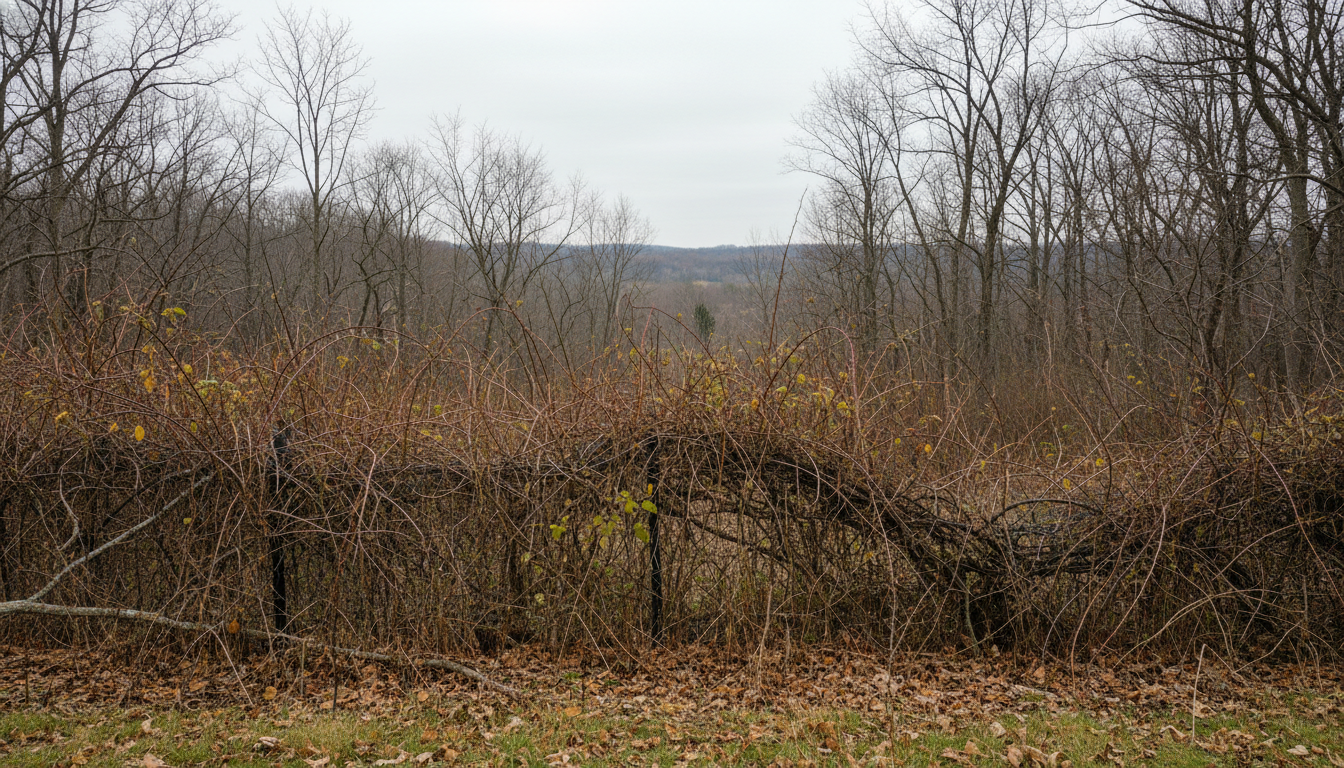
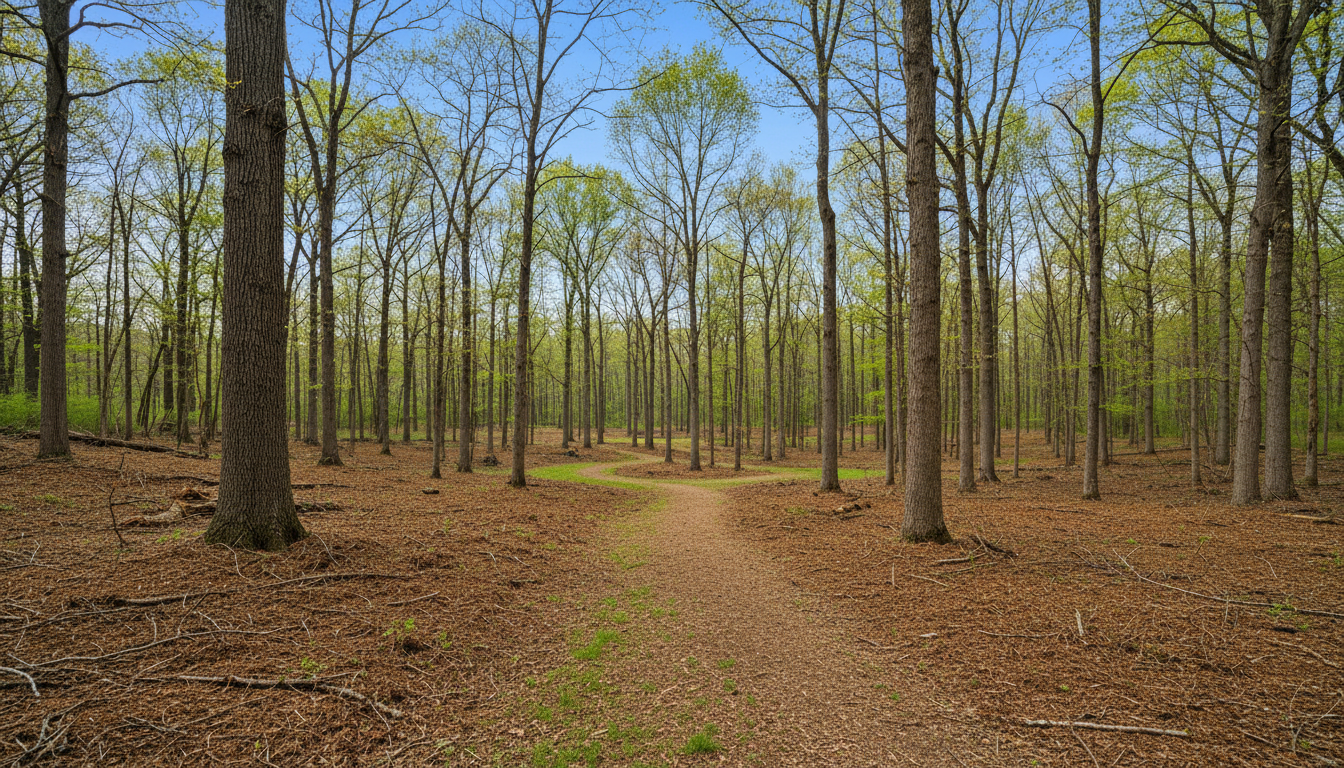
Overgrown 4-acre horse pasture restored — Geauga County agricultural field
Why BrushBoss for Pasture Reclamation
Restore Hay Production
Convert overgrown fields back to productive hay ground. Most fields produce viable cuttings within one season.
Reclaim Grazing Land
Clear thorny brush to create safe, usable pasture for horses, cattle, and livestock.
Soil-Safe Method
Unlike excavation, mulching preserves topsoil structure and adds organic matter as the mulch decomposes.
Multi-Acre Capacity
The CAT 275XE clears 1–3 acres per day depending on brush density — far faster than manual methods.
Break the Invasion Cycle
Grinding below the root crown destroys growth nodes that trigger regrowth from cutting.
Increase Land Value
Productive agricultural land in Geauga County is worth significantly more than overgrown fields.
How It Works
Field Assessment
Send photos or walk us through your fields. We assess brush density, species composition, and acreage to build a scope.
Per-Acre Quote
Pasture reclamation is quoted per acre based on vegetation density — light, moderate, or heavy. Fixed pricing, no hourly rates.
Systematic Clearing
CAT 275XE works the field in passes, grinding everything down to a clean mulch layer. We navigate around any trees or structures you want to keep.
Ready for Recovery
Walk your cleared field the same day. The mulch-covered surface is ready for overseeding within weeks.
Pasture Reclamation — FAQ
Ready to Get Started?
Fixed-rate pricing. No hourly rates. No hidden fees.
Based on vegetation density — light, moderate, or heavy brush
Call (440) 557-4660 ↗